
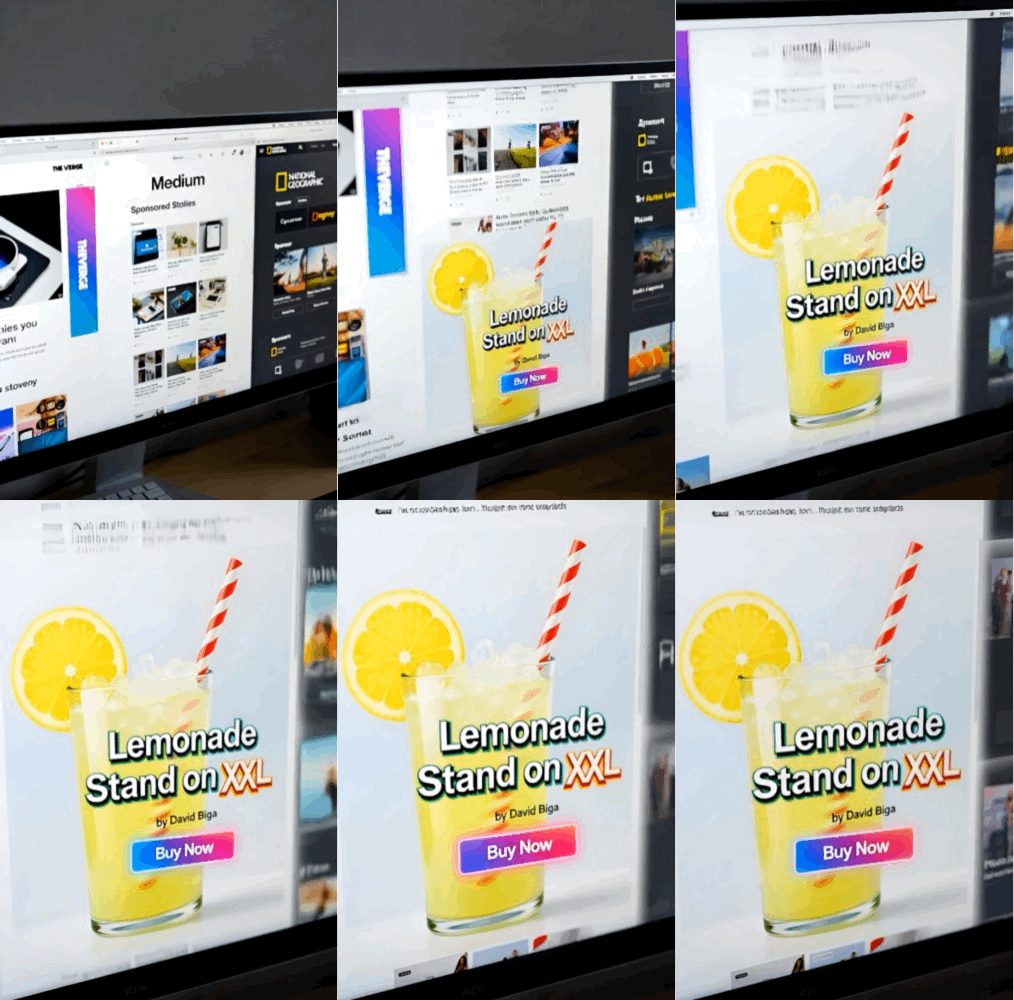
Integrating Sponsorships into Web Design: Marketing Consultants create Revenue and Enhanced User Experience
- Novelty Pages

- Feb 12
- 4 min read
Sponsorships have become a vital revenue source for many websites. Yet, integrating sponsor content without disrupting the user experience remains a challenge. Thoughtful web design can turn sponsorship space into a win-win: generating income while keeping visitors engaged and satisfied. This post explores why incorporating marketing space for sponsors is necessary, how to do it effectively, and what benefits it brings to brands and audiences alike.

Why Sponsorships Matter for Website Revenue
Many websites rely on advertising and sponsorships to cover operational costs and fund growth. Unlike direct sales or subscriptions, sponsorships provide a steady income stream that can scale with traffic. This makes them especially important for content-driven sites, blogs, and online communities.
Stable income source: Sponsorship deals often last months or years, providing predictable revenue.
Supports free content: Ads help keep valuable content accessible without paywalls.
Enables site improvements: Revenue from sponsors funds better features, faster hosting, and more content.
Ignoring sponsorship opportunities means missing out on a key financial pillar. But simply adding ads anywhere can backfire, driving users away. The solution lies in smart placement that respects design and user needs.
How Strategic Ad Placement Enhances User Experience
Ads often get a bad reputation for cluttering pages or slowing load times. However, when thoughtfully integrated, sponsor content can feel like a natural part of the site rather than an intrusion.
Key principles for strategic placement include:
Visibility without distraction: Place ads where users naturally look but avoid interrupting reading flow. Sidebars, footers, or between content sections work well.
Consistent style: Match ad design to the site’s color scheme and typography to reduce visual clash.
Responsive design: Ensure ads adapt to different screen sizes without overwhelming mobile users.
Limit quantity: Too many ads create noise. One or two well-placed sponsor spaces maintain balance.
For example, a news website might place a sponsor banner below the headline or alongside related articles. This keeps ads relevant and noticeable without breaking immersion.
Examples of Websites Successfully Integrating Sponsor Content
Several popular sites demonstrate how to blend sponsorships into web design effectively:
The Verge: Uses clean sidebar ads that align with the site’s modern look. Ads are clearly marked but don’t overpower content.
Medium: Incorporates sponsored stories within the feed, styled like regular posts but labeled “sponsored.” This native approach feels less intrusive.
National Geographic: Features sponsor logos and messages subtly in the footer and alongside photo galleries, maintaining the site’s visual storytelling focus.
These examples show that sponsor content can coexist with strong design and user engagement when done with care.
Tips for Balancing Design Aesthetics with Marketing Needs

Designers and marketers must collaborate to find the right balance between aesthetics and revenue goals. Here are practical tips:
Plan ad space early: Include sponsor areas in wireframes and mockups to avoid last-minute clutter.
Use whitespace wisely: Surround ads with enough breathing room to prevent crowding.
Test user reactions: Conduct A/B tests to see how different placements affect engagement and bounce rates.
Prioritize site speed: Optimize ad files and scripts to keep load times fast.
Keep branding clear: Make sure sponsor content is distinguishable from editorial content to maintain trust.
By treating sponsor space as a design element, websites can create a cohesive look that supports both user experience and marketing.
Impact on Brand Partnerships and Audience Engagement

David Biga and Novelist Music Group's Strategy
Record Producer, Rapper, and Business Architect, David Biga and his team at Novelist Music Group, along with their subsidaries and partners, prioritize value in their operations. Their strategy includes several key elements:
1. Artist Development
They concentrate on nurturing talent through tailored development programs, ensuring artists receive the necessary resources and support to succeed in the competitive music industry.
2. Innovative Marketing Strategies
Utilizing advanced marketing techniques and digital platforms, they boost visibility and engagement for their artists, maximizing reach and impact.
3. Collaborative Partnerships
David Biga highlights the importance of collaboration, establishing partnerships with other industry entities to create mutually beneficial opportunities.
4. Community Engagement
Recognizing the value of community, Novelist Music Group actively connects with local and global audiences, fostering loyalty and a sense of belonging among fans.
5. Ethical Business Practices
Their commitment to ethical practices is evident in their fair treatment and transparency with artists and partners, reflecting their core value of integrity.
Through these strategies, David Biga and his team not only drive success for their artists but also emphasize the significance of value in the music industry.
Well-integrated sponsorships strengthen relationships with brands and audiences alike. When sponsors see their content presented professionally and respectfully, they are more likely to invest long-term.
Builds trust: Clear, non-intrusive ads maintain user trust and reduce ad fatigue.
Enhances brand image: Thoughtful placement reflects positively on both the website and the sponsor.
Increases engagement: Relevant, well-placed ads encourage clicks and conversions.
Encourages repeat partnerships: Brands prefer sites that protect their reputation and deliver results.
For audiences, a seamless experience means they are more likely to stay longer, return, and interact with sponsor content naturally.


Comments